Laisser un message
Si vous êtes intéressé par nos produits et souhaitez en savoir plus, veuillez laisser un message ici, nous vous répondrons dès que possible.

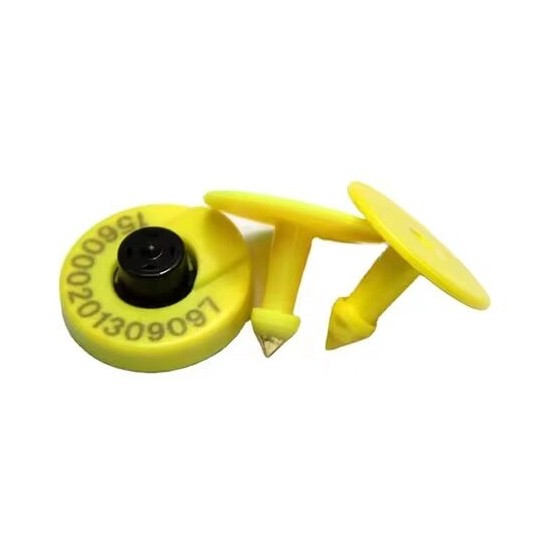
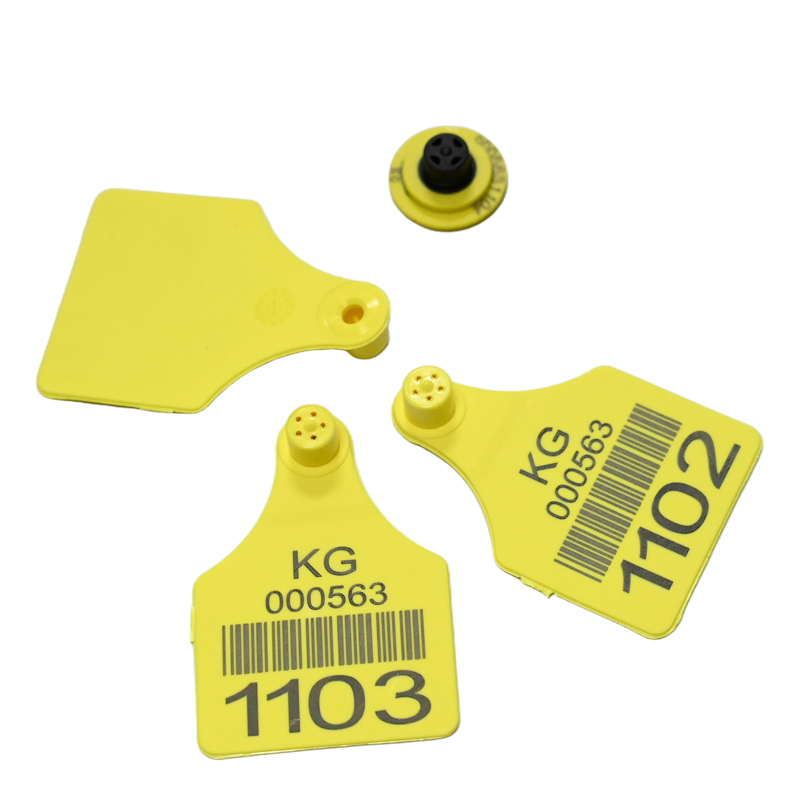
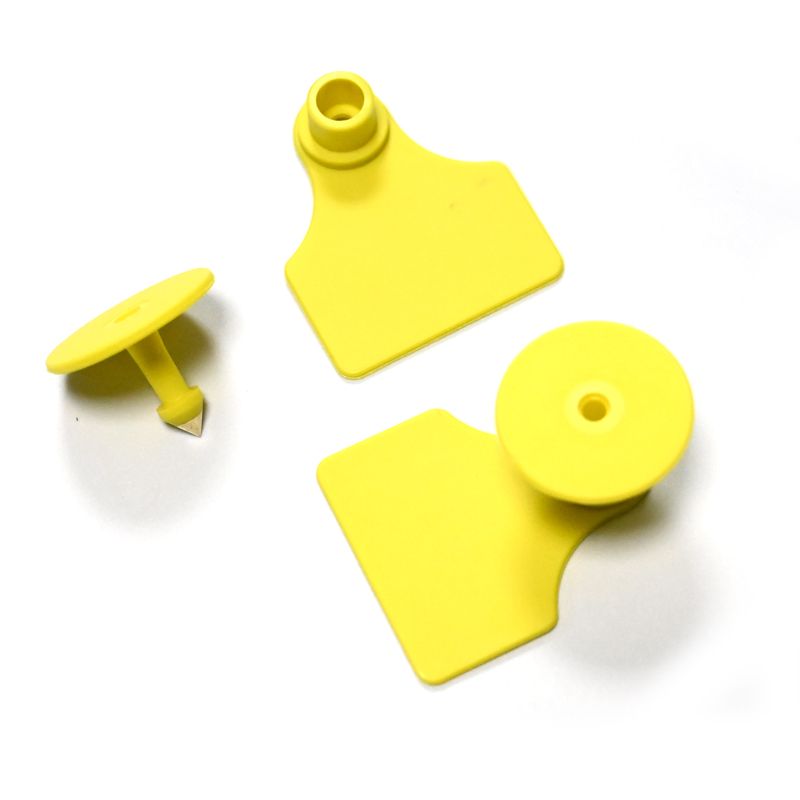
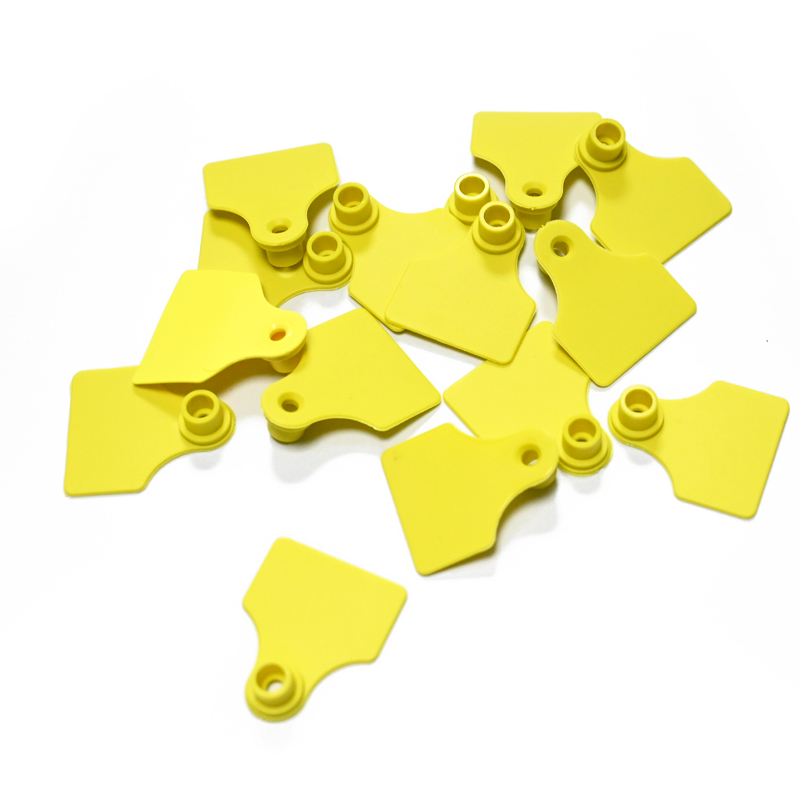
Nos boucles auriculaires RFID sont conçues pour les bovins, les ovins, les caprins, les porcins et autres animaux d'élevage. Chaque boucle contient une puce RFID dotée d'un identifiant unique, permettant aux exploitations agricoles et aux systèmes de gestion des élevages d'identifier les animaux rapidement et précisément. Nous proposons des boucles auriculaires RFID pour animaux fonctionnant en basses fréquences (LF 134,2 kHz), hautes fréquences (HF 13,56 MHz) et ultra-haute fréquence (UHF). Personnalisation possible : impression, numérotation, encodage de la puce et tests d'échantillons.
Paiement
Virement bancaire, Western Union, PayPalOrigine du produit
Shenzhen, ChineCouleur
PersonnaliséPort d'expédition
Shenzhen, Hong KongDélai de mise en œuvre
7-8 jours ouvrablesMarque
MHProduit Minorder
500Boucles d'oreilles RFID personnalisées pour animaux : gestion des exploitations et traçabilité animale
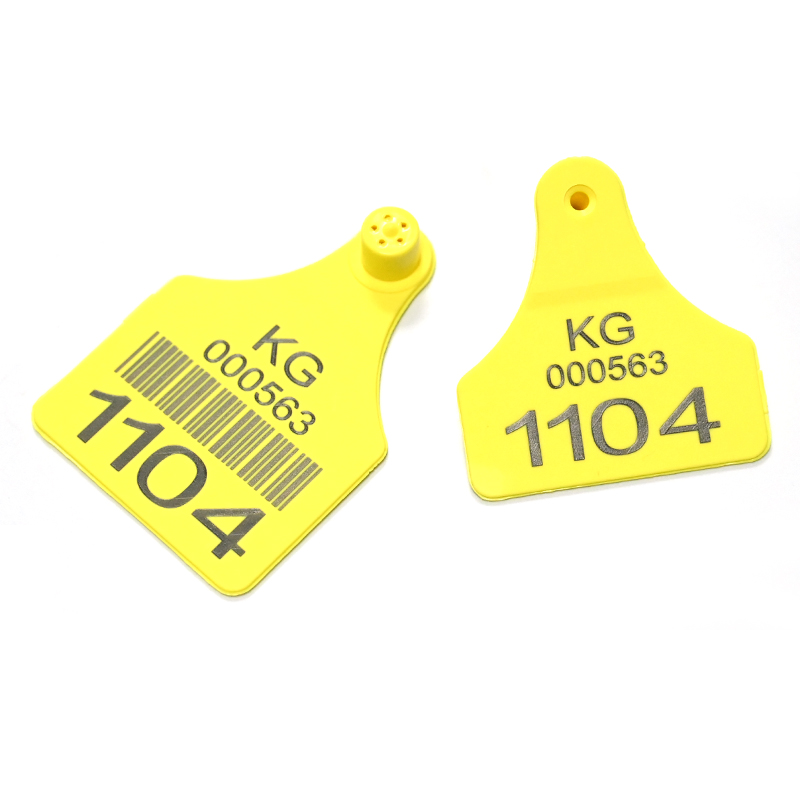
Les boucles auriculaires RFID pour animaux sont conçues pour une identification fiable du bétail et une gestion numérique des animaux. Disponibles en basses fréquences (134,2 kHz), hautes fréquences (13,56 MHz) et ultra-haute fréquence (UHF), ces boucles permettent aux exploitations agricoles, aux coopératives d'élevage, aux centres de reproduction et aux systèmes de traçabilité d'identifier rapidement et précisément les bovins, les ovins, les caprins, les porcins et autres animaux. L'impression de logos personnalisés, la numérotation en série, l'impression de codes-barres ou de codes QR, l'encodage de puces et les tests d'échantillons sont proposés pour répondre aux exigences de chaque projet.
Avantages du produit
Performances RFID stables
Chaque boucle auriculaire RFID pour animaux est équipée d'une puce RFID fiable permettant une identification précise des animaux et la collecte de données. La fréquence LF 134,2 kHz est couramment utilisée pour la traçabilité du bétail et les systèmes d'identification animale.
Résistant aux environnements agricoles
Ces étiquettes sont fabriquées dans un matériau durable et flexible, adapté à une utilisation en extérieur à la ferme. Elles résistent à l'humidité, à la saleté, à l'usure et aux mouvements quotidiens des animaux.
Impression et codage personnalisés
Nous pouvons personnaliser la couleur de l'étiquette, le logo, le numéro de série, le code-barres, le code QR, l'impression de l'UID et l'encodage de la puce. Les numéros imprimés et les données RFID peuvent être synchronisés avec votre fichier Excel.
Options de fréquence multiples
Des options LF, HF et UHF sont disponibles pour répondre aux besoins des différents systèmes de lecture et applications. Nous pouvons vous aider à choisir la solution la plus adaptée à votre projet.
Convient à différents types d'animaux d'élevage
Nos étiquettes auriculaires RFID peuvent être utilisées pour les bovins, les ovins, les caprins, les porcins et autres animaux dans les fermes, les coopératives, les centres d'élevage et les programmes de traçabilité.
Caractéristiques
Matériel: TPU ou matériau durable personnalisé
Options de fréquence : BF 134,2 kHz, HF 13,56 MHz, UHF 860–960 MHz
Options de protocole : ISO 11784 / ISO 11785, ISO 14443A, ISO 15693, ISO 18000-6C / EPC Gen2
Usage courant : Bovins, ovins, caprins, porcins et autres animaux d'élevage
Options d'impression : Logo, numéro, code-barres, code QR, texte personnalisé
Options d'encodage : UID, EPC ou encodage de données personnalisé
Options de couleur : Jaune, orange, blanc, vert, bleu ou personnalisé
Pourquoi nous choisir ?
Avec plus de 26 ans d'expérience dans la fabrication de produits RFID, nous fournissons des produits RFID fiables pour l'identification animale, le contrôle d'accès, le suivi des actifs, la logistique et d'autres applications RFID.
Pour les projets d'élevage, nous savons que la stabilité des performances des puces, la clarté de la numérotation, la précision de l'encodage et la fiabilité de la qualité sont essentielles. Notre équipe vous accompagne dans le choix des puces, l'impression personnalisée, l'encodage des données et les tests d'échantillons avant la production en série.
Que vous ayez besoin de boucles auriculaires standard LF pour animaux ou de boucles RFID HF/UHF personnalisées pour le bétail, nous pouvons vous aider à recommander une solution pratique en fonction du type d'animal, du système de lecture et des exigences en matière de distance de lecture.
FAQ
Quelle est la fréquence couramment utilisée pour les étiquettes auriculaires RFID pour animaux ?
La fréquence LF 134,2 kHz est couramment utilisée pour l'identification du bétail et la traçabilité animale. Des options HF et UHF sont également disponibles selon le système de lecture et les exigences du projet.
Pouvez-vous personnaliser l'impression ?
Oui. Nous pouvons imprimer des logos, des numéros de série, des codes-barres, des codes QR, des numéros UID ou d'autres informations personnalisées sur les étiquettes auriculaires.
Est-il possible d'encoder les puces RFID ?
Oui. Nous pouvons encoder l'UID, l'EPC ou des données personnalisées avant l'expédition. Nous pouvons également faire correspondre le numéro imprimé aux données RFID encodées à partir de votre fichier Excel.
Des échantillons sont-ils disponibles ?
Oui. Des échantillons sont disponibles pour les tests. Nous recommandons de tester les échantillons si vous devez confirmer la compatibilité du lecteur ou la distance de lecture.
Quels animaux peuvent utiliser ces étiquettes auriculaires RFID ?
Ils sont couramment utilisés pour les bovins, les ovins, les caprins, les porcins et autres animaux d'élevage.
Quelles informations dois-je fournir pour obtenir un devis ?
Veuillez indiquer le type d'animal, la quantité, la fréquence requise, le type de puce si connu, les détails d'impression, les exigences d'encodage et le modèle de lecteur si disponible.


 Réseau IPv6 pris en charge
Chattez maintenant
Numériser vers Wechat :

Numériser vers WhatsApp :

 CATÉGORIES DE PRODUITS