Laisser un message
Si vous êtes intéressé par nos produits et souhaitez en savoir plus, veuillez laisser un message ici, nous vous répondrons dès que possible.

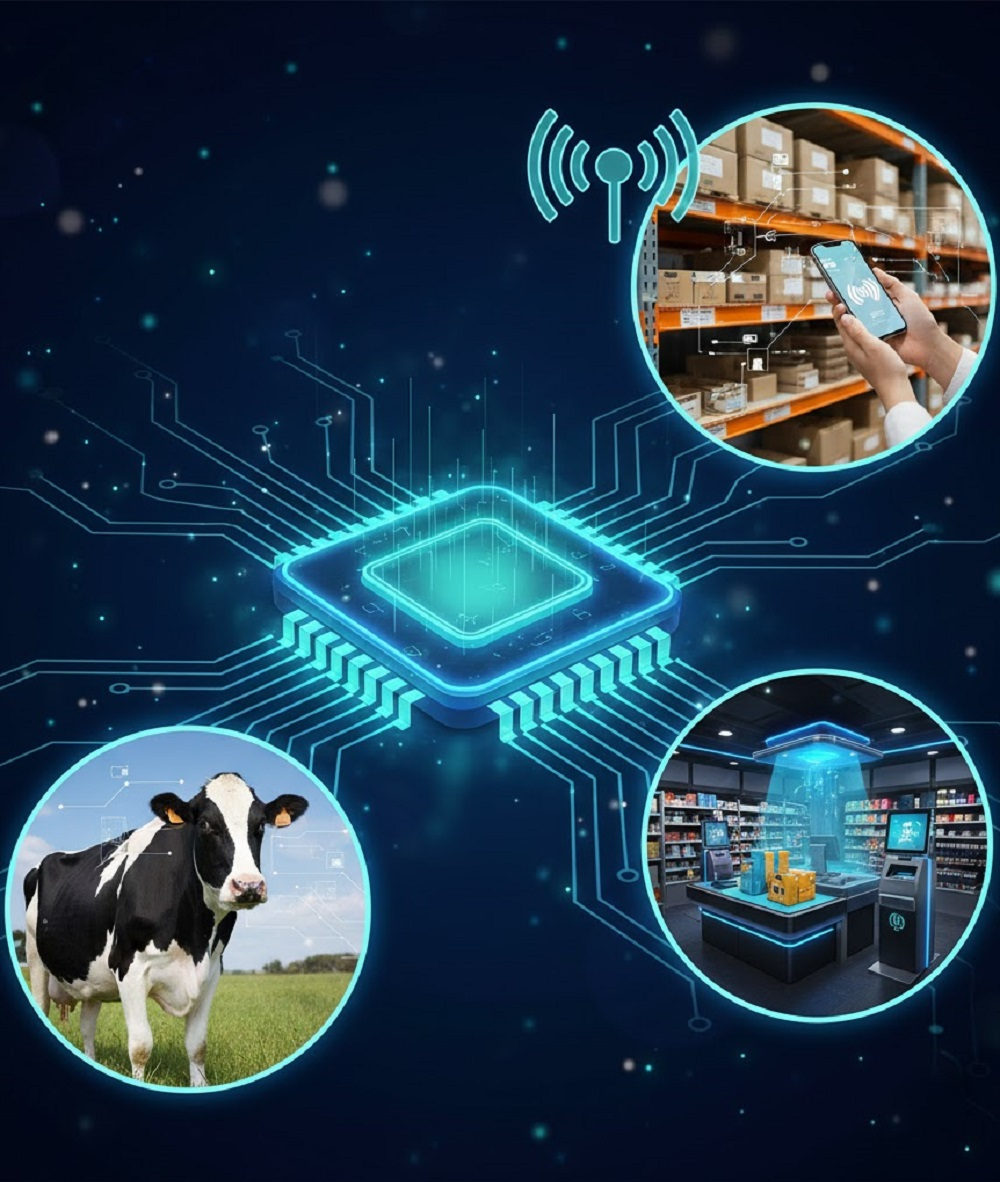
Avec le développement rapide de l'Industrie 4.0 et des systèmes d'usine intelligente, les solutions de suivi RFID deviennent essentielles aux opérations modernes. Aujourd'hui, les entreprises utilisent la RFID non seulement pour l'identification, mais aussi pour la collecte de données en temps réel, le suivi des actifs et l'automatisation des processus tout au long de la chaîne de production et d'approvisionnement.
Les progrès récents en matière de matériel RFID industriel, de logiciels basés sur le cloud et d'intégration IoT rendent les solutions RFID plus performantes, plus fiables et plus faciles à déployer.
Durabilité améliorée des produits industriels Étiquettes RFID UHF
Performances fiables dans des environnements industriels difficiles
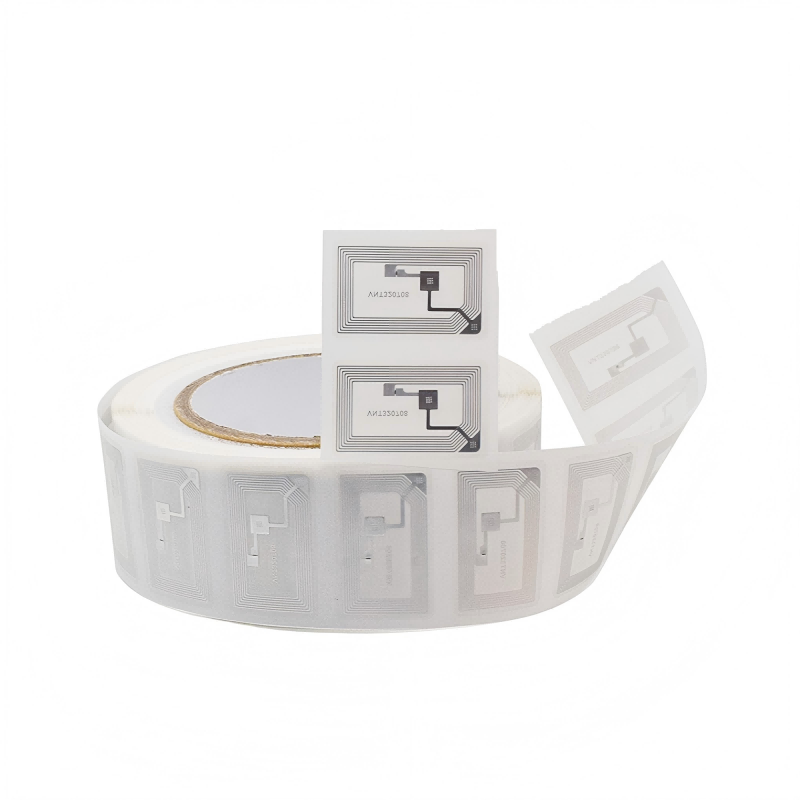
L'une des avancées les plus importantes de ces dernières années est l'amélioration de la durabilité des étiquettes RFID UHF industrielles. Les étiquettes RFID modernes sont conçues pour fonctionner de manière fiable dans des environnements où les systèmes de codes-barres traditionnels sont inefficaces. Elles résistent aux hautes températures, fonctionnent avec précision sur les surfaces métalliques et restent stables en extérieur, exposées à des produits chimiques et soumises à de fortes vibrations.
Grâce à ces améliorations, la technologie RFID peut désormais être utilisée dans des secteurs exigeants tels que la fabrication, la production automobile, l'aérospatiale, le pétrole et le gaz, et la logistique d'entrepôt.
Suivi automatique sans numérisation manuelle
Grâce aux étiquettes RFID durables, les entreprises peuvent suivre automatiquement leurs actifs, outils, palettes, conteneurs et produits finis sans lecture manuelle. Cela permet aux usines et aux entrepôts de réduire les erreurs humaines, d'améliorer leur efficacité et de maintenir des données précises en temps réel tout au long du processus. Pour de nombreuses entreprises industrielles, le suivi des actifs par RFID est devenu une solution standard pour la gestion moderne de la production.
Systèmes de suivi RFID basés sur le cloud pour une visibilité en temps réel
Des systèmes locaux aux plateformes connectées au cloud
Une autre tendance majeure du secteur RFID est le passage aux systèmes de suivi RFID basés sur le cloud. Auparavant, les logiciels RFID étaient souvent installés sur des ordinateurs locaux, ce qui compliquait la gestion de plusieurs sites et le partage de données entre services. Aujourd'hui, les solutions RFID modernes peuvent se connecter aux plateformes cloud, permettant ainsi aux entreprises de suivre en temps réel l'état de leurs stocks, de leur production et de leurs actifs, où qu'elles soient.
Cette évolution rend la RFID particulièrement précieuse pour les entreprises possédant plusieurs usines, entrepôts ou chaînes d'approvisionnement mondiales, où la visibilité en temps réel est essentielle à l'efficacité des opérations.
Intégration avec les systèmes ERP, MES et de gestion d'entrepôt
Les systèmes RFID basés sur le cloud peuvent également être intégrés aux logiciels ERP, MES et de gestion d'entrepôt pour créer un flux de travail numérique complet. Lorsque les données RFID sont disponibles à l'échelle de toute l'organisation, les responsables peuvent prendre des décisions plus rapidement, réduire les délais et améliorer l'efficacité globale. Comparées aux méthodes de suivi traditionnelles, les solutions RFID connectées au cloud offrent une précision bien supérieure et un meilleur contrôle opérationnel.
Intégration RFID aux systèmes IoT et d'usine intelligente
La RFID dans le cadre de l'Internet industriel des objets
La technologie RFID n'est plus utilisée comme un simple outil d'identification. Dans les environnements industriels modernes, elle est intégrée aux capteurs IoT, aux équipements d'automatisation et aux plateformes d'analyse de données. Cette combinaison permet aux entreprises de collecter des données précises en temps réel et de les exploiter pour optimiser la production, surveiller les équipements et automatiser les processus.
Par exemple, les étiquettes RFID permettent d'identifier les produits et les outils, les capteurs de surveiller l'état des machines et les logiciels d'analyser les données afin d'améliorer les performances ou de prévenir les temps d'arrêt. Ce niveau d'automatisation est l'une des caractéristiques clés de l'Industrie 4.0.
Soutenir la fabrication intelligente et la transformation numérique
Dans les usines intelligentes, la RFID permet de connecter les machines, les produits, les opérateurs et les opérations d'entrepôt au sein d'un réseau numérique unique. Ceci permet de suivre chaque étape du processus et de réagir rapidement aux problèmes. Les entreprises qui mettent en œuvre la RFID dans leur production constatent souvent des améliorations en termes de productivité, de traçabilité et de contrôle qualité.
Développement des applications RFID dans la fabrication, l'entreposage et le suivi des actifs
RFID dans le suivi de la fabrication et de la production
Dans le secteur manufacturier, la RFID est couramment utilisée pour le suivi des encours de production, la gestion des outils et la traçabilité qualité. En enregistrant automatiquement les mouvements de matières premières et de produits finis, la RFID permet aux usines de maintenir des données de production précises et de réduire les interventions manuelles.
RFID dans les opérations d'entrepôt et de logistique
En gestion d'entrepôt, la RFID améliore la précision des stocks, automatise la réception et l'expédition, et permet le suivi en temps réel des palettes, conteneurs et marchandises. Contrairement aux systèmes de codes-barres, la RFID peut lire plusieurs articles simultanément sans visée directe, ce qui rend les opérations d'entrepôt plus rapides et plus fiables.
RFID pour la gestion des actifs et la visibilité de la chaîne d'approvisionnement
La RFID est également largement utilisée pour le suivi des actifs, notamment les équipements, les véhicules, les contenants réutilisables et les outils de grande valeur. Dans la gestion de la chaîne d'approvisionnement, la RFID aide les entreprises à vérifier les expéditions, à réduire les erreurs et à assurer une visibilité complète de la production à la livraison. Grâce à la précision et à l'automatisation des données fournies par les systèmes RFID, de plus en plus d'entreprises abandonnent les méthodes de suivi manuelles au profit de solutions RFID.
La RFID comme technologie clé de l'industrie 4.0
Données en temps réel pour des opérations intelligentes
L'industrie 4.0 exige des informations précises et en temps réel provenant du monde physique, et la RFID offre une solution fiable pour identifier et suivre automatiquement les objets. Dans les environnements de production modernes, la RFID connecte les machines, les produits, les opérateurs et les systèmes d'entrepôt au sein d'un flux de travail numérique unifié.
Cela permet aux entreprises de surveiller leurs opérations en continu, d'améliorer la traçabilité et de réagir rapidement aux problèmes. Les entreprises qui adoptent la technologie RFID constatent souvent une efficacité accrue, une réduction des erreurs et un meilleur contrôle qualité.
Indispensable à la production et à la logistique modernes
Pour de nombreuses entreprises industrielles, la RFID n'est plus une option, mais une technologie indispensable à la production intelligente, aux entrepôts automatisés et aux chaînes d'approvisionnement numériques. Face à la complexification croissante des opérations, le besoin d'un suivi précis et d'une visibilité en temps réel ne cesse de croître.
Perspectives d'avenir de la technologie RFID
Plus d'automatisation, plus d'intelligence, plus de connectivité
Le secteur de la RFID devrait connaître une croissance rapide avec la généralisation de l'automatisation, de la robotique et des chaînes d'approvisionnement intelligentes. Les nouvelles puces, antennes et lecteurs RFID offrent une portée de lecture accrue, une précision supérieure et de meilleures performances, même dans des environnements difficiles. Parallèlement, les plateformes cloud et l'analyse par intelligence artificielle valorisent davantage les données RFID pour la prise de décision.
Se préparer à l'avenir de l'industrie intelligente
Face à une concurrence mondiale accrue, les entreprises ont besoin d'une meilleure visibilité et de processus plus rapides pour rester compétitives. La technologie RFID constitue le fondement du suivi en temps réel et des opérations intelligentes, ce qui en fait l'une des technologies les plus importantes pour la production moderne, la gestion d'entrepôt et les systèmes de suivi des actifs. Les entreprises qui investissent aujourd'hui dans des solutions RFID avancées seront mieux préparées à l'avenir de l'industrie intelligente.


 Réseau IPv6 pris en charge
Chattez maintenant
Numériser vers Wechat :

Numériser vers WhatsApp :

 CATÉGORIES DE PRODUITS