Laisser un message
Si vous êtes intéressé par nos produits et souhaitez en savoir plus, veuillez laisser un message ici, nous vous répondrons dès que possible.

Les systèmes de contrôle d'accès sont indispensables aux immeubles de bureaux modernes, aux entreprises et aux environnements commerciaux. La technologie RFID offre une solution sécurisée et flexible pour le contrôle d'accès aux bureaux. Grâce aux cartes, porte-clés ou bracelets RFID, les employés peuvent accéder rapidement aux zones autorisées sans contact physique. Le système enregistre automatiquement les données d'accès, facilitant ainsi le contrôle de la sécurité et la surveillance des activités.
Défis liés au contrôle d'accès aux bureaux
La gestion des droits d'accès dans les environnements de bureau se complexifie avec l'augmentation du nombre d'employés, de visiteurs et de zones à accès restreint. Sans système automatisé, il est difficile de concilier sécurité et facilité d'utilisation.
Gérer un grand nombre d'utilisateurs
Les bureaux modernes accueillent souvent de nombreux employés, intérimaires et visiteurs. Chacun peut avoir besoin de droits d'accès différents. L'utilisation de clés traditionnelles complique le contrôle des entrées et sorties dans les pièces ou à certains étages.
Les systèmes RFID permettent à chaque carte ou étiquette d'avoir un identifiant unique, ce qui permet d'attribuer des autorisations individuellement et de les mettre à jour en cas de besoin.
Clés perdues et risques de sécurité
Les clés physiques peuvent être perdues ou copiées, ce qui engendre des risques pour la sécurité. En cas de perte d'une clé, il peut être nécessaire de remplacer les serrures, ce qui augmente les coûts et les désagréments.
Grâce au contrôle d'accès RFID, les cartes perdues peuvent être désactivées immédiatement dans le système et une nouvelle carte peut être émise sans changer le matériel.
Nécessité de tenir des registres d'accès et d'assurer un suivi
De nombreuses entreprises doivent tenir un registre des entrées et sorties pour des raisons de sécurité ou de contrôle des présences. L'enregistrement manuel est lent et pas toujours précis.
Les lecteurs RFID enregistrent automatiquement l'heure, le lieu et l'identifiant de l'utilisateur, ce qui rend la surveillance plus facile et plus fiable.
Différents niveaux d'accès selon les zones
Les immeubles de bureaux comportent généralement plusieurs zones, telles que :
• entrée principale
• bureaux
• salles serveurs
• zones de stockage
Chaque zone peut nécessiter des autorisations différentes. Les systèmes RFID permettent une configuration flexible afin que chaque utilisateur puisse accéder uniquement aux zones autorisées.
Comment fonctionne le contrôle d'accès RFID ?
Les systèmes de contrôle d'accès RFID utilisent des étiquettes, des lecteurs et un logiciel de contrôle pour vérifier automatiquement l'identité. Chaque utilisateur porte une carte, un porte-clés ou un bracelet RFID contenant un code unique.
Identification sans contact
Lorsque l'utilisateur approche sa carte du lecteur, celui-ci la détecte et transmet son identifiant au système de contrôle. Le système vérifie alors l'autorisation et décide de déverrouiller ou non la porte.
Grâce à la communication sans fil, le processus est rapide et pratique.
Contrôle des autorisations en temps réel
Les autorisations sont enregistrées dans le système et peuvent être modifiées à tout moment. Par exemple, l'accès peut être limité par : utilisateur, département, temps et emplacement.
Cela permet aux administrateurs de gérer la sécurité sans remplacer les cartes ni les serrures.
Intégration avec d'autres systèmes
Le contrôle d'accès RFID peut être intégré à d'autres systèmes, tels que le suivi des présences, la gestion des visiteurs ou le contrôle du stationnement. L'utilisation d'une seule carte pour plusieurs fonctions simplifie le système pour les employés.
Applications RFID typiques dans les bureaux
Le contrôle d'accès RFID est utilisé dans de nombreux environnements de bureaux et commerciaux. Une même technologie peut prendre en charge différentes fonctions selon les exigences du projet.
Contrôle d'accès aux portes de bureau
L'utilisation la plus courante consiste à contrôler l'accès aux portes des bureaux. Les employés utilisent des cartes RFID pour déverrouiller les portes, et le système enregistre chaque accès. Cela contribue à améliorer la sécurité tout en rendant l'accès quotidien rapide et pratique.
Identification des employés et suivi des présences
Les cartes RFID peuvent également servir de badges d'identification pour les employés. Associées à un système de gestion des présences, elles permettent d'enregistrer automatiquement les entrées et sorties. Cela réduit les interventions manuelles et améliore la précision.
Gestion des visiteurs
Les visiteurs peuvent se voir remettre des cartes RFID temporaires leur permettant d'accéder uniquement à certaines zones. Après leur visite, ces cartes peuvent être désactivées ou réutilisées. Ce système rend le contrôle des visiteurs plus sûr et plus facile à gérer.
Accès au parking et au bâtiment
Dans les grands immeubles de bureaux, la technologie RFID peut également être utilisée pour les barrières de parking et les entrées des bâtiments. L'utilisation d'une seule carte pour plusieurs systèmes simplifie le processus d'accès pour les employés.
Cartes et étiquettes RFID recommandées pour le contrôle d'accès
Les différents projets de contrôle d'accès nécessitent différents types de produits RFID. Le choix dépend du type de lecteur, de l'environnement et des exigences en matière de durabilité.
Les cartes RFID en PVC sont le choix le plus courant pour le contrôle d'accès aux bureaux. Elles ont la même taille que les cartes d'identité standard et peuvent être imprimées avec un logo, une photo ou un code-barres.
Ces cartes sont résistantes, faciles à transporter et compatibles avec la plupart des lecteurs de contrôle d'accès.
Les porte-clés RFID sont de petites étiquettes conçues pour être fixées à un anneau porte-clés. Ils sont souvent utilisés dans les bureaux, les appartements et les parkings où les utilisateurs privilégient un format compact.
Grâce à leur petite taille, les porte-clés électroniques sont pratiques au quotidien.
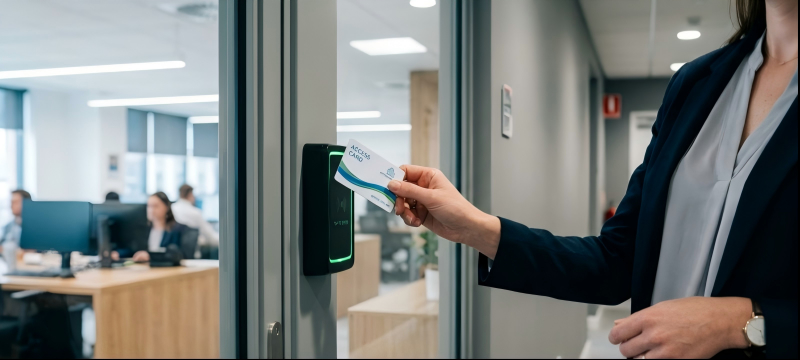
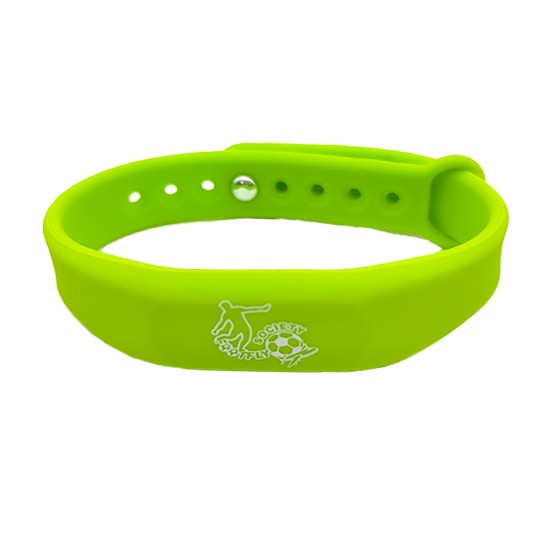
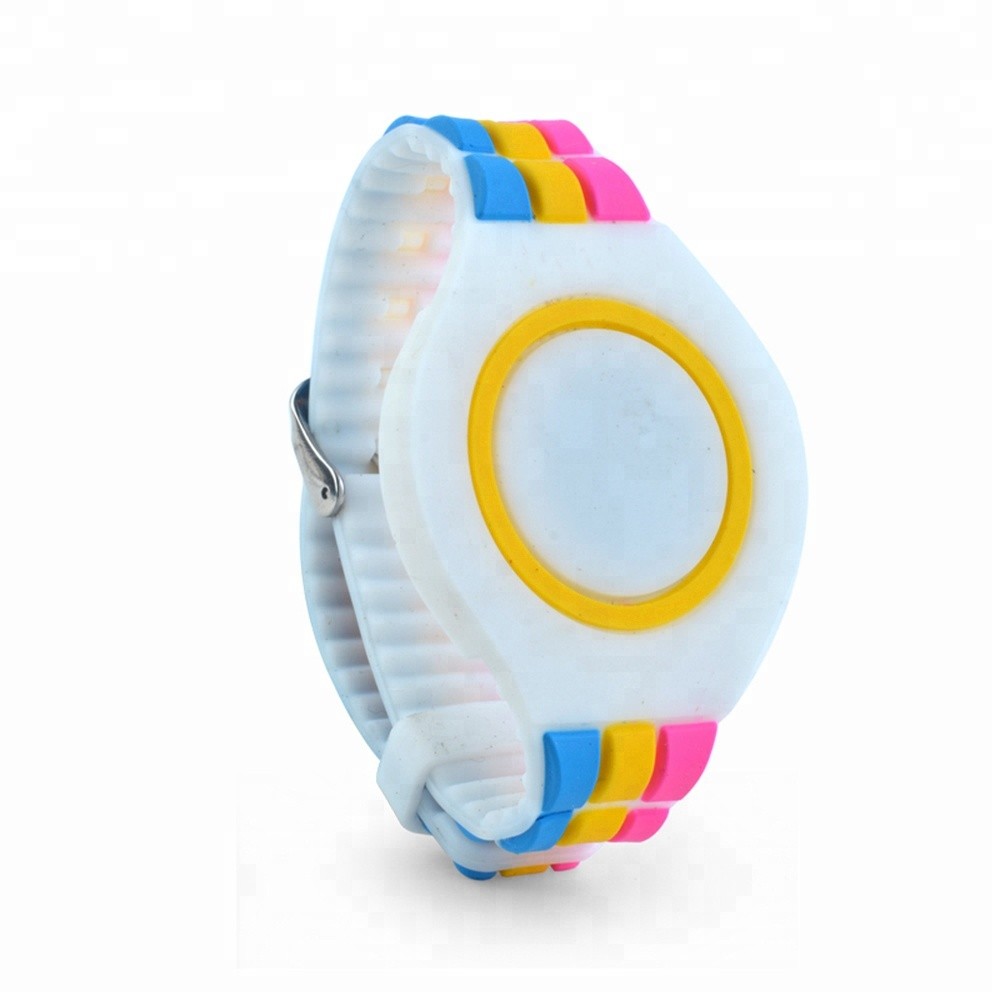
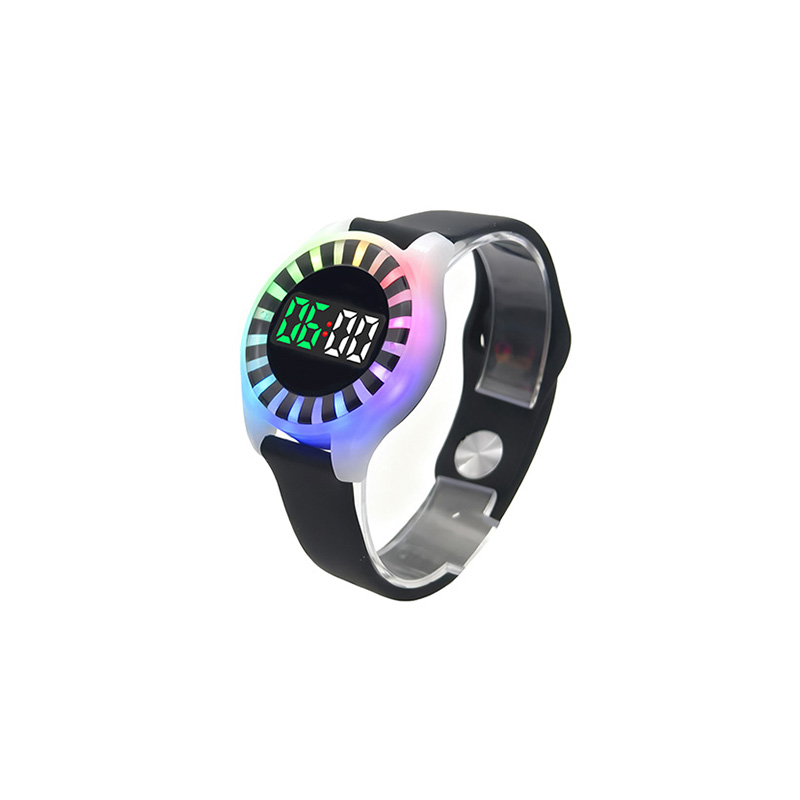
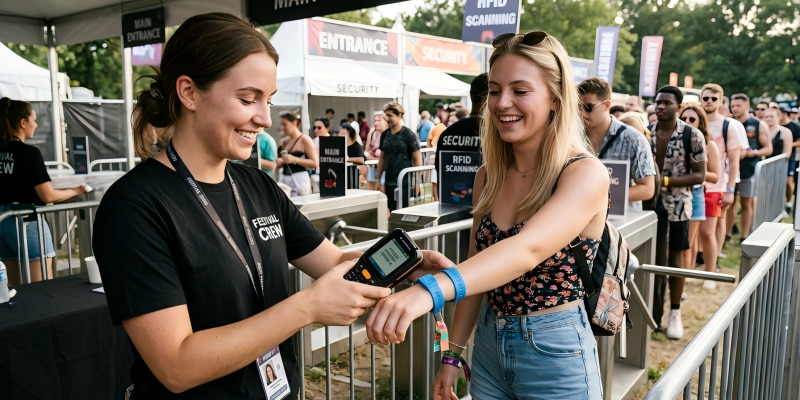
Les bracelets sont utilisés dans des environnements où les cartes ne sont pas pratiques, comme les usines, les salles de sport ou pour le contrôle d'accès temporaire. Ils sont étanches et faciles à porter, ce qui les rend adaptés à des conditions de travail particulières.
Les étiquettes NFC peuvent être utilisées dans les systèmes de contrôle d'accès modernes compatibles avec les téléphones mobiles. Les utilisateurs peuvent ouvrir les portes à l'aide de cartes NFC ou de smartphones, ce qui rend le système plus flexible.
Étiquettes RFID personnalisées
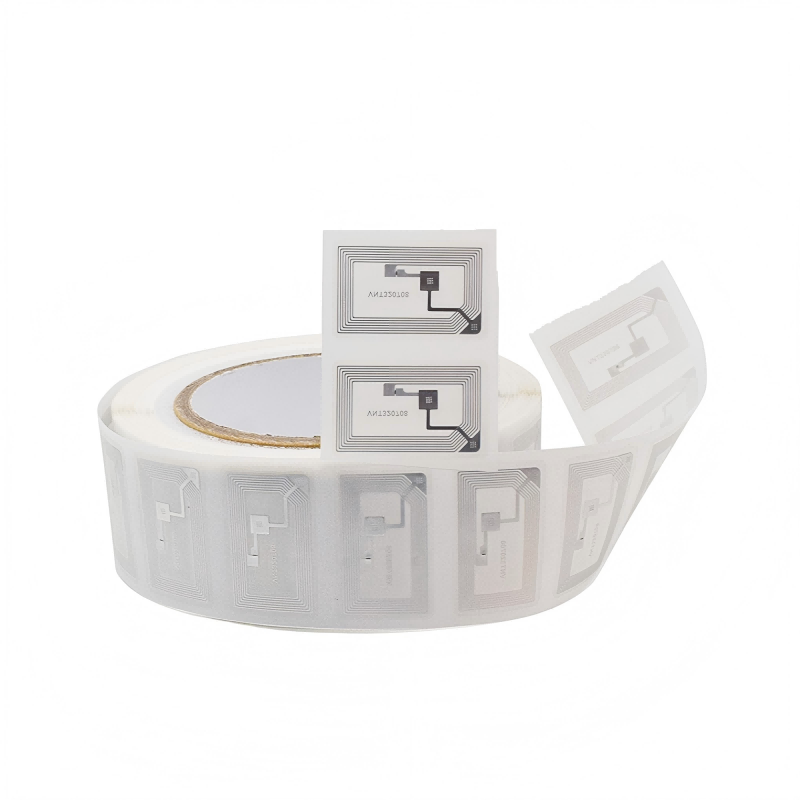
Certains projets nécessitent des formes ou des matériaux spécifiques, notamment en milieu industriel ou pour des installations extérieures. Des étiquettes RFID personnalisées peuvent être conçues pour s'adapter au lecteur et à l'environnement.
Comment choisir le bon produit RFID pour le contrôle d'accès
Le choix de l'étiquette RFID appropriée dépend du type de lecteur, de la fréquence et de l'environnement. L'utilisation d'une étiquette inadaptée peut entraîner des problèmes de lecture ou une instabilité du système.
Vérifier la fréquence du lecteur
Les systèmes de contrôle d'accès utilisent généralement les fréquences HF ou NFC, mais certains systèmes longue portée utilisent les UHF. L'étiquette doit correspondre aux spécifications du lecteur pour fonctionner correctement.
Tenir compte de l'environnement d'utilisation
Dans les bureaux, on peut utiliser des cartes PVC standard, mais dans les environnements extérieurs ou industriels, il peut être nécessaire d'utiliser des étiquettes étanches ou résistantes.
Tenez compte des exigences en matière d'impression et d'identification
De nombreuses entreprises ont besoin d'imprimer la photo, le nom ou le logo de leurs employés sur les cartes de visite. Dans ce cas, les cartes en PVC imprimables sont recommandées.
Tenez compte de la durabilité
Les cartes utilisées quotidiennement doivent être suffisamment résistantes pour ne pas se plier ni s'user. Pour un usage intensif, des cartes plus épaisses ou des matériaux spéciaux peuvent être nécessaires.
Choisir le bon produit permet de garantir des performances stables et une longue durée de vie.
UHF vs HF vs NFC dans le contrôle d'accès
Différentes fréquences sont utilisées selon le type de système de contrôle d'accès.
RFID HF
La fréquence HF est la plus courante pour le contrôle d'accès aux bureaux. Elle assure une lecture stable à courte distance et prend en charge les puces sécurisées telles que MIFARE.
Cela rend la HF adaptée aux portes de bureaux, aux systèmes de pointage et aux cartes d'identité.
NFC
La technologie NFC est un type de technologie HF qui permet la communication avec les smartphones. Elle est souvent utilisée dans les systèmes d'accès modernes prenant en charge les identifiants mobiles.
Grâce à sa faible distance de lecture, la technologie NFC est sûre et pratique.
RFID UHF
La technologie UHF est utilisée lorsque la distance de lecture requise est plus importante, par exemple pour les barrières de parking ou les accès véhicules. Elle permet l'identification sans avoir à s'arrêter très près du lecteur.
Le choix de la fréquence appropriée dépend de la conception du système.
Avantages de la RFID dans le contrôle d'accès aux bureaux
Les systèmes de contrôle d'accès RFID offrent une sécurité renforcée et une gestion simplifiée par rapport aux clés traditionnelles. L'enregistrement automatique des entrées et sorties améliore la surveillance et contribue à prévenir les accès non autorisés. Ce système permet également de réduire les coûts en éliminant le besoin de remplacer les clés perdues. La RFID améliore aussi le confort des employés : l'utilisation d'une seule carte pour l'accès aux portes, le pointage et le stationnement facilite le travail quotidien.
Avec la digitalisation croissante des environnements de bureau, le contrôle d'accès RFID est devenu une solution standard pour les bâtiments modernes.
Conclusion
La technologie RFID offre une solution fiable et flexible pour les systèmes de contrôle d'accès aux bureaux. Grâce aux cartes, porte-clés ou bracelets RFID, les entreprises peuvent gérer les autorisations d'accès, renforcer la sécurité et conserver des registres d'accès précis. Chaque projet pouvant nécessiter des fréquences, des types de cartes et des matériaux différents, le choix du produit RFID adapté est essentiel pour la stabilité et la pérennité du système.
En tant que fabricant d'étiquettes et de cartes RFID, nous accompagnons les projets de contrôle d'accès en fournissant des cartes RFID, des porte-clés, des bracelets et des étiquettes personnalisés, compatibles avec la plupart des systèmes de lecture.


 Réseau IPv6 pris en charge
Chattez maintenant
Numériser vers Wechat :

Numériser vers WhatsApp :

 CATÉGORIES DE PRODUITS